
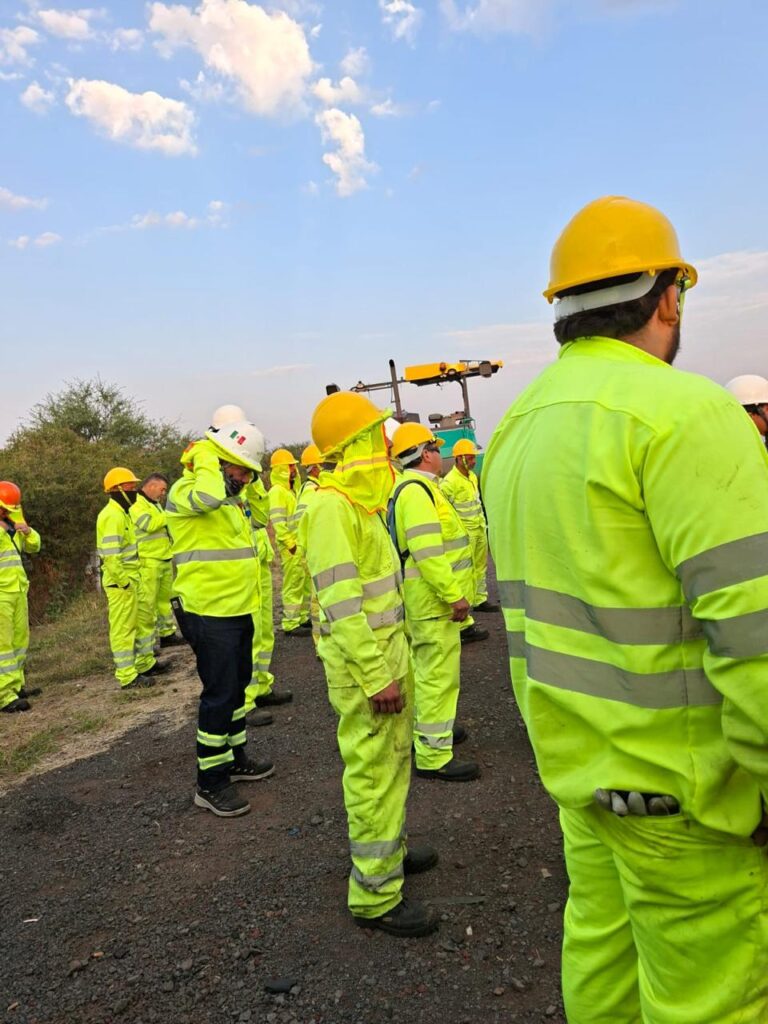
High-visibility clothing plays a critical role in workplace safety, especially in environments with low light or heavy traffic.
In Europe, the main standard governing high-visibility workwear is EN ISO 20471. This regulation ensures that workers remain visible and protected in hazardous conditions.
In this guide, we explain what EN ISO 20471 is, how it works, and how to choose compliant safety clothing.
What is EN ISO 20471?
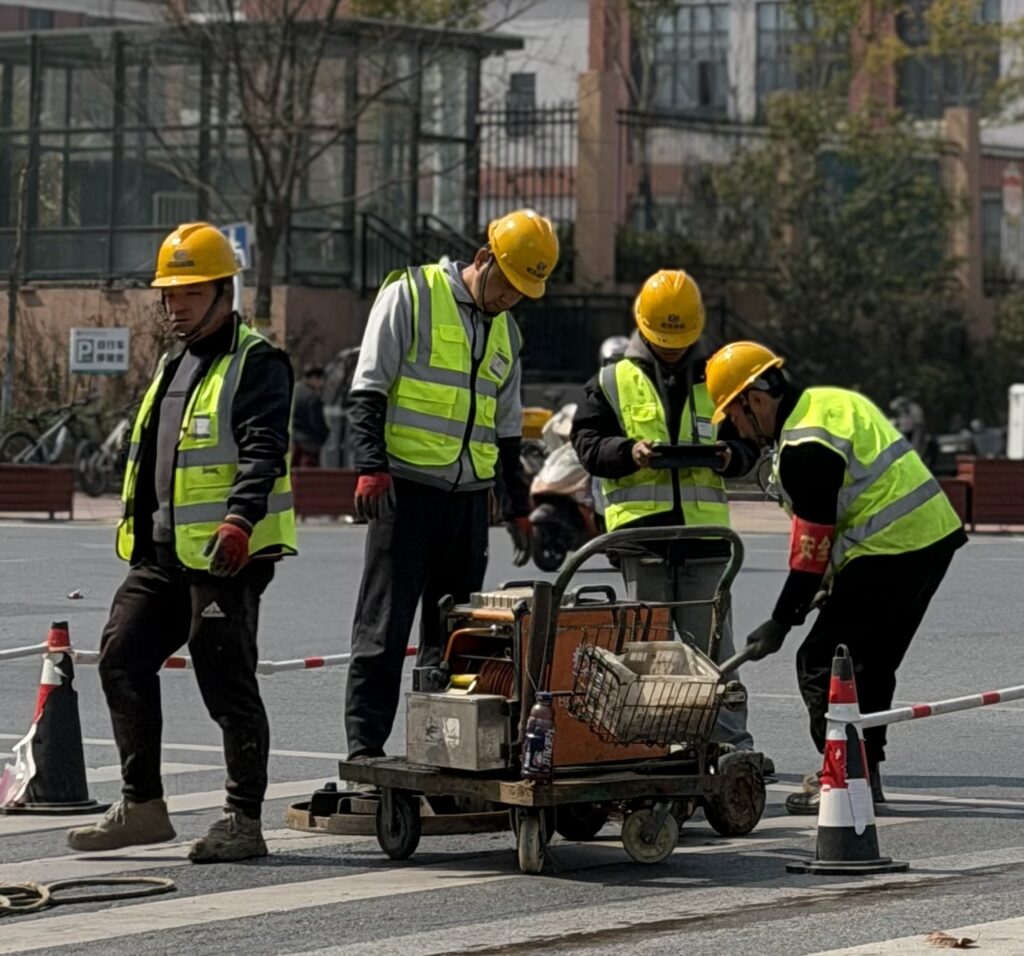
EN ISO 20471 is a European standard for high-visibility clothing. It specifies requirements for garments designed to make workers visible in both daylight and low-light conditions.
This standard is part of the CE certification system, meaning products must comply with EN ISO 20471 to be legally sold as protective workwear in the European market.
EN ISO 20471 Classification (Classes 1, 2, and 3)
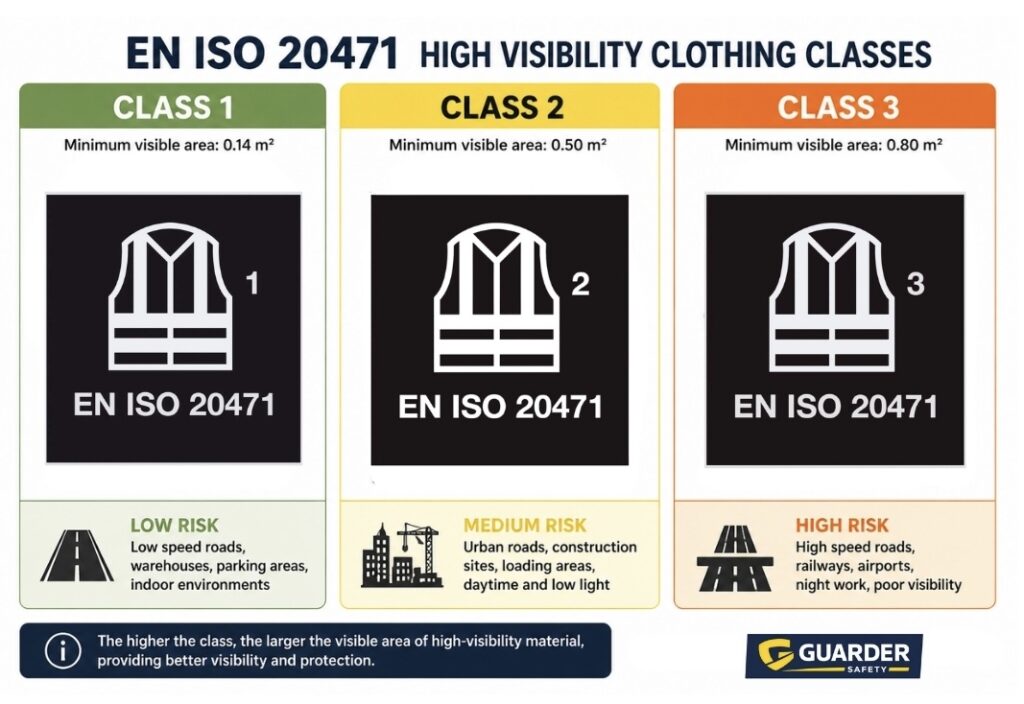
High-visibility garments are divided into three classes based on the level of protection:
Class 1 (Minimum Protection)
- Lowest level of visibility
- Suitable for low-risk environments
Class 2 (Medium Protection)
- Higher visibility than Class 1
- Common in construction and logistics
Class 3 (Maximum Protection)
- Highest level of visibility
- Required for high-risk environments such as highways or heavy traffic zones
The higher the class, the greater the visible surface area of reflective and fluorescent materials.
Material Requirements
EN ISO 20471 sets strict requirements for:
Fluorescent Fabric
- Enhances visibility during the day
- Common colors: yellow, orange, red
Reflective Tape
- Reflects light in low-light conditions
- Must meet durability and brightness standards
Durability
- Must maintain performance after washing and long-term use
Why EN ISO 20471 Matters
Compliance with EN ISO 20471 is essential because it:
- Improves worker visibility and reduces accidents
- Ensures compliance with European safety regulations
- Builds trust with clients and regulatory authorities
For companies exporting to Europe, meeting this standard is not optional—it is mandatory.
How to Choose EN ISO 20471 Compliant Clothing
When selecting high-visibility workwear, consider:
- The required protection class (Class 2 or 3 for most industries)
- Fabric durability for long-term use
- Quality of reflective materials
- Certification validity and supplier reliability
GUARDER High Visibility Solutions
At GUARDER SAFETY, we manufacture reflective clothing that meets international standards, including EN ISO 20471.
Our products are designed for durability, strong reflective performance, and competitive pricing for bulk orders.
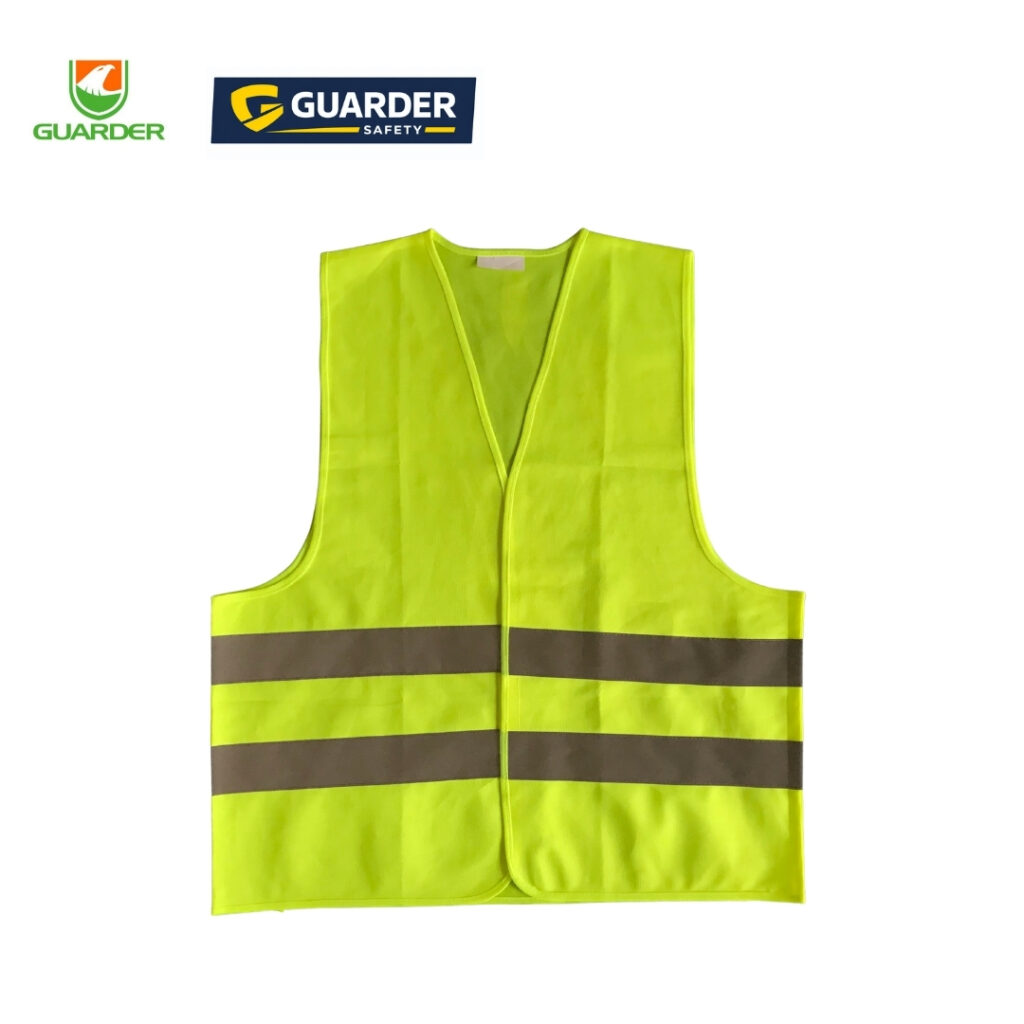
One of our most popular products, the GUARDER GRC-V10 Reflective Safety Vest, is CE certified and widely used in construction and logistics sectors.
Contact us to learn more about our reflective safety vest solutions.
Conclusion
EN ISO 20471 is the key standard for high-visibility clothing in Europe. Understanding its classification and requirements helps businesses choose the right safety products and ensure compliance.
For companies sourcing reflective workwear, working with a reliable manufacturer is essential to guarantee quality, safety, and long-term value.
FAQ
1. What is EN ISO 20471 used for?
EN ISO 20471 ensures that workers wearing high-visibility clothing can be clearly seen in both daylight and low-light conditions, reducing accident risks.
2. Is EN ISO 20471 mandatory in Europe?
Yes. EN ISO 20471 is required for high-visibility safety clothing sold in the European market under CE certification regulations.
3. What is the difference between Class 2 and Class 3?
Class 3 provides a higher level of visibility with more reflective and fluorescent material, making it suitable for high-risk environments.
4. Can a reflective vest be both CE and ANSI certified?
Yes. Some products are designed to meet both EN ISO 20471 (CE) and ANSI/ISEA 107 standards for global use.
5. How do I choose the right high-visibility clothing?
Consider your work environment, required protection level, durability, and certification compliance when selecting safety clothing.